
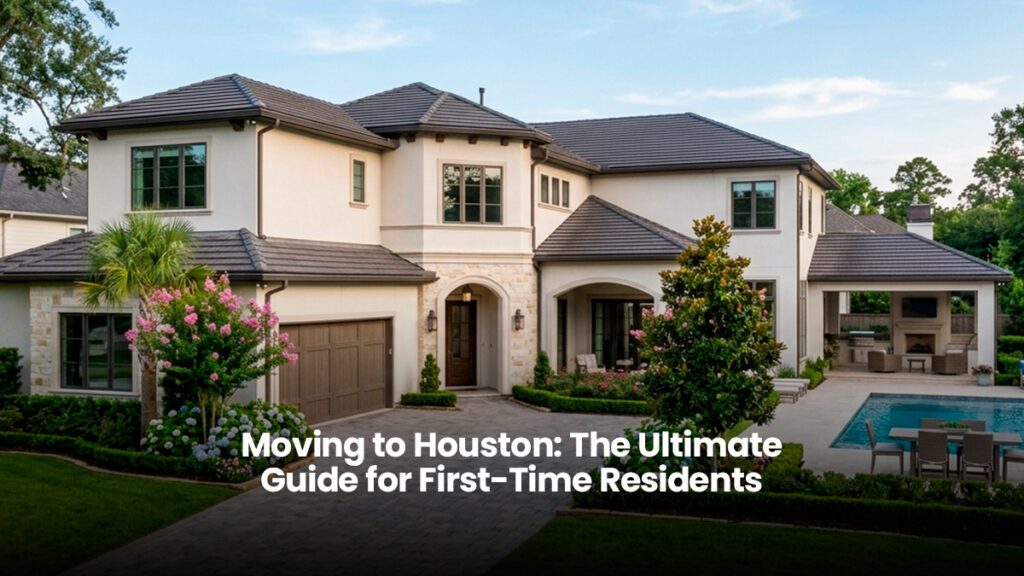
Welcome to Houston! If you are reading this, chances are you are considering making a move to our incredible, vibrant, and sprawling metropolitan area. As a local Realtor and Broker who has helped countless families, young professionals, and investors find their perfect piece of Texas, I can tell you one thing with absolute certainty: Houston is a city of endless opportunity.
But let’s be honest—moving to the fourth-largest city in the United States can feel incredibly overwhelming. With no traditional zoning laws, a massive geographic footprint divided by highway loops, and hundreds of unique neighborhoods, you need more than a simple map to navigate this transition. You need a local insider.
In this ultimate guide, I am breaking down everything you actually need to know about becoming a Houstonian. From the layout of our roads to the realities of our housing market, let’s dive into your new home.
1. Understanding the Houston Layout: The Tale of the Loops
To understand Houston real estate, you must first understand the highway system. We measure location by “The Loops.” These concentric highway circles dictate commute times, property values, and lifestyle vibes.
Inner Loop (Inside 610): This is the historic and cultural heart of Houston. Living “inside the loop” means high walkability, historic charm, dense urban living, and proximity to world-class dining. Neighborhoods like The Heights, Montrose, and River Oaks define this area. Real estate here commands a premium, focusing heavily on luxury single-family homes, townhomes, and condos.
The Outer Loop (Between 610 and Beltway 8): This area strikes a beautiful balance between urban access and suburban space. You will find fantastic residential pockets like Spring Branch and Memorial, offering larger lot sizes, excellent schools, and quick access to major employment hubs like the Energy Corridor.
Beyond Beltway 8 & The Grand Parkway (Highway 99): This is where Houston’s famous master-planned communities thrive. If you are looking for sprawling square footage, manicured neighborhoods, top-tier public school districts, and resort-style amenities, this is your zone. Areas like Katy, Sugar Land, The Woodlands, and Cypress represent the gold standard of suburban living.
2. The Houston Economy and Job Market
One of the biggest drivers for relocation to our region is the sheer strength of the local economy. We are far more than just an oil and gas town.
Houston is home to the Texas Medical Center (TMC)—the largest medical complex in the world—which employs over 120,000 healthcare professionals and researchers. Additionally, our region is a powerhouse for aerospace (thanks to NASA’s Johnson Space Center), renewable energy, tech startups, and international trade through the Port of Houston.
Major infrastructure developments are constantly future-proofing our city, including multi-billion-dollar expansions at our major airports, ensuring that Houston remains globally connected and economically resilient for years to come.
3. Cost of Living and the Housing Market Realities
Is Houston still affordable? The short answer is yes, especially when compared to major coastal metros like New York, Los Angeles, or even fellow Texas hubs like Austin. Your dollar simply goes further here.
Pro-Tip from Aida: While Texas does not have a state income tax, we do have higher property taxes compared to the national average. When calculating your monthly mortgage payment, always factor in local property taxes and home insurance.
As your real estate partner, I work closely with buyers to analyze the total cost of homeownership. Whether you are looking for an urban townhome or a suburban oasis with a backyard pool, navigating our fast-moving market requires strategy, pre-approval, and a deep understanding of hyper-local neighborhood trends.
4. Lifestyle, Food, and Culture: Why You’ll Love It Here
If there is one thing Houstonians are fiercely proud of, it is our food scene. Because Houston is one of the most ethnically diverse cities in America, our culinary landscape is unmatched. You can get world-class Tex-Mex, authentic Vietnamese crawfish, Nigerian cuisine, and award-winning Texas BBQ all within the same weekend.
Beyond the food, the city boasts a stunning Museum District, a thriving Theater District, and passionate sports culture (Go Astros, Texans, and Rockets!). For outdoor enthusiasts, places like Buffalo Bayou Park and Memorial Park offer miles of green space right in the middle of the city.
5. Crucial Tips for First-Time Houston Residents
Before you pack your moving truck, keep these three golden rules in mind:
Embrace the Commute: Houston is a car-centric city. When looking for a home, always test your morning and evening commute during peak hours. Proximity to major toll roads like the Westpark Tollway or the Grand Parkway can completely transform your daily routine.
Prepare for the Climate: Yes, our summers are hot and humid. But our winters and springs are absolutely gorgeous. Make sure your new home has a well-functioning HVAC system, and always discuss flood zones and storm preparedness with your Realtor.
Lean on Local Expertise: Because Houston lacks formal zoning, a residential street can occasionally sit around the corner from a commercial strip. Working with an experienced local agent ensures you buy in an area with stable property values and the exact neighborhood feel you desire.
Frequently Asked Questions (FAQ)
To help you get completely clear on your upcoming move, here are answers to the questions I hear most frequently from people relocating to our area.
Is Houston a good place to live for families?
Absolutely. Houston’s suburbs boast some of the highest-rated public school districts in the state of Texas, particularly in areas like Katy ISD, Fort Bend ISD (Sugar Land), and Conroe ISD (The Woodlands). Combined with neighborhood parks, community pools, and family-centric master-planned developments, it is an exceptional place to raise children.
What is a comfortable salary to live in Houston?
While the cost of living depends heavily on your lifestyle and whether you want to live Inner Loop or in the suburbs, a household income of $75,000 to $90,000 allows for a very comfortable lifestyle for individuals, covering rent or a mortgage, utilities, transportation, and savings. For families looking to buy prime real estate in top school zones, a household income starting above $120,000 provides excellent flexibility.
Does it flood everywhere in Houston?
No, it does not flood everywhere. While Houston is prone to heavy tropical rains, major infrastructure updates and strictly regulated retention systems protect vast majorities of the residential sectors. When we view homes together, I provide detailed flood map histories, elevation details, and structural insights so you can make an educated, secure investment.
How far is Houston from the beach?
Houston is roughly 50 miles north of the Gulf of Mexico. You can drive from downtown Houston to the historic beaches of Galveston Island in about an hour, making weekend beach trips incredibly convenient for local residents.
What should I look for when choosing a Houston neighborhood?
Prioritize your daily commute, your preferred school districts, and your lifestyle needs. If you want a walkable, trendy lifestyle, focus on the Inner Loop. If you want maximum square footage, a private yard, and master-planned amenities, look toward our premier suburban communities.
Let’s Find Your Dream Houston Home
Moving to a new city is a massive milestone, and you shouldn’t have to navigate it alone. My goal is to make your transition to the Houston area as seamless, stress-free, and rewarding as possible.
If you are ready to start exploring neighborhoods, tracking market trends, or viewing homes, reach out to me today. Let’s match your lifestyle with the perfect Houston community!
Contact me today to schedule your complimentary Houston relocation consultation.
Aida Villalobos | Real Estate Broker
📞(346) 955-1049 / @realtor.aidavillalobos